Searching the Best Lands for Sale in Accra
Search Top Lands for Sale: Your Companion to Budget-Friendly Property Investments
Affordable property investments come with diverse opportunities in the real estate market. Knowledge of land value intricacies is fundamental. Important elements like economic indicators and zoning laws play a major role in determining these investments. Unique opportunities exist in emerging areas, especially throughout the Midwest and South. However, the market landscape continues to evolve. What should potential investors consider before making a move? The answer lies in a closer examination of the market dynamics.
Understanding the Housing Market
Comprehending the real estate market requires a sharp awareness of numerous factors that influence property values and investment opportunities. Investors should consider economic indicators such as employment rates, income levels, and population growth, as these elements substantially affect demand for housing. Additionally, trends in interest rates can affect buyers' purchasing power, which in turn influences market dynamics.
Geographic location plays a critical role, as properties in urban areas often appreciate faster than those in rural regions. Local facilities, educational zones, and safety statistics are equally important factors that influence attractiveness.
Moreover, understanding market cycles—characterized by phases of expansion, contraction, and recovery—can enable investors arrive at informed decisions about timing their investments. Lastly, local zoning laws and regulations can also shape the investment landscape, shaping potential property uses. Collectively, these factors create a complex environment that necessitates thorough analysis for successful real estate investing.
Major Points to Evaluate When Purchasing Land
When considering land purchases, various key factors considerably influence the decision-making process. First, location represents a vital element; proximity to amenities, schools, and transportation can influence long-term value. Second, zoning regulations must be thoroughly examined, as they define allowable uses and future development potential. Third, land topography and soil quality are essential for those planning to build or farm, shaping both usability and costs. Additionally, access to utilities such as water, electricity, and sewage systems is critical for modern living standards. Environmental considerations, including flood zones and conservation areas, can also impact land viability. Finally, understanding the local real estate market trends will give insight into future appreciation and investment potential. Each of these factors should be thoroughly evaluated to establish a well-informed purchase that aligns with the buyer's goals and financial aspirations.
Leading Destinations for Economical Property Investment Opportunities
What locations offer investors the finest opportunities for economical property investments? Various up-and-coming markets provide appealing choices. Areas including the Midwest United States, particularly regions like Ohio and Indiana, provide low entry costs and growth potential. In the South, cities like Atlanta and Charlotte are gaining traction for their expanding economies and relatively inexpensive land.
Additionally, regions of Texas, such as San Antonio and Houston, offer affordable choices as a result of their accelerated growth and population increase. For those exploring internationally, countries such as Mexico and Portugal display desirable real estate markets with favorable prices.
These locations not only provide lower property values but also show strong prospects for appreciation, making them ideal choices for investors pursuing affordability without giving up on future value. By prioritizing these locations, investors can wisely position themselves in the property market.
Categories of Land Investment Opportunities to Consider
When examining land investments, different options bring unique opportunities for prospective buyers. Residential land can serve housing development, while commercial properties provide avenues for business ventures. Additionally, agricultural land remains a worthwhile choice for those interested in farming and investment in food production.
Residential Property Opportunities
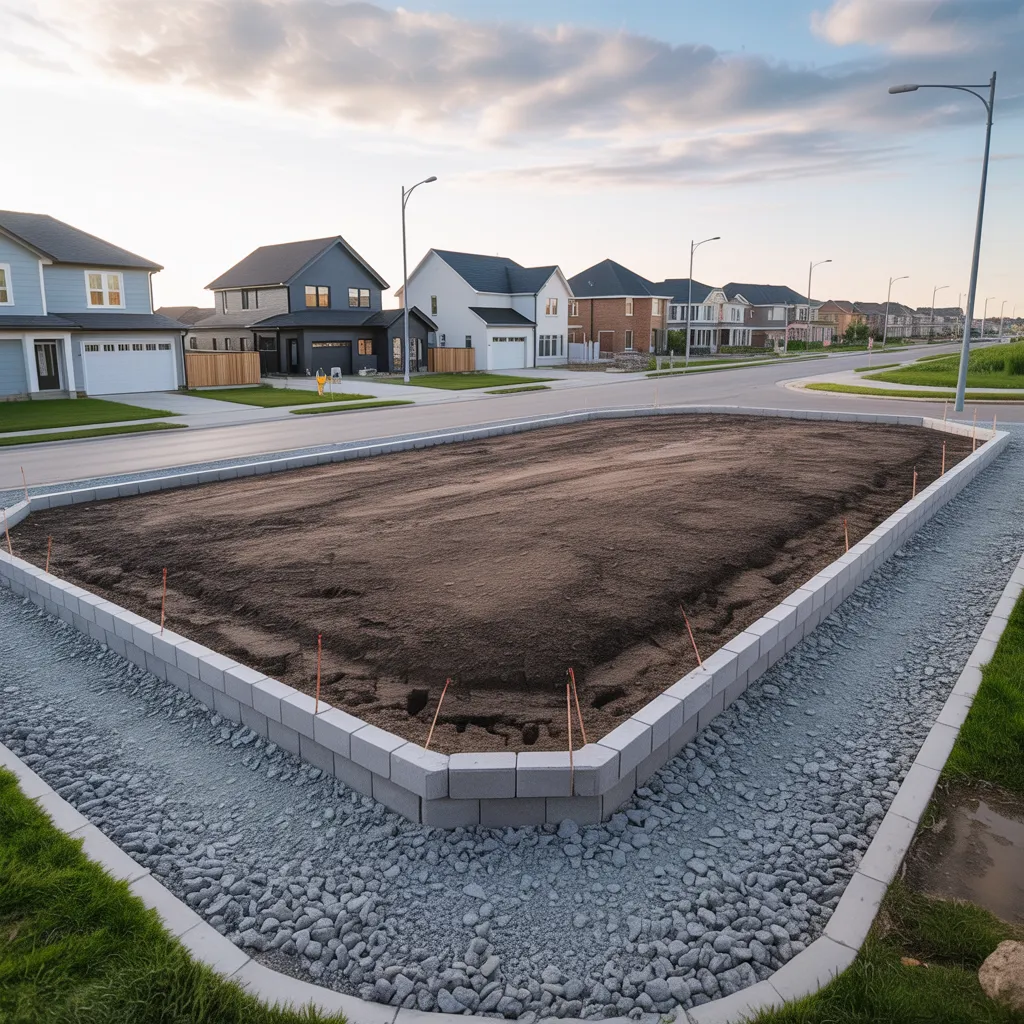
Exploring residential land options presents a diverse selection of investment choices for those wanting to increase their property portfolios. Investors can consider vacant lots in developing neighborhoods, which often provide lower prices and opportunity for substantial appreciation. Additionally, purchasing land for single-family home development can deliver substantial returns, especially in areas with rising demand for housing. Investors may also consider subdividing larger parcels into multiple residential lots, increasing profit potential. Additionally, raw land in suburban areas can cater to buyers looking for space away from urban centers. Each possibility requires thorough analysis of local market trends, zoning regulations, and infrastructure development to guarantee a successful investment strategy that aligns with personal financial goals.
Investment Properties for Commercial Use
Investment professionals looking to broaden their portfolios beyond residential property opportunities may discover that commercial property investments offer a compelling pathway. These ventures cover diverse property types, including office buildings, retail spaces, warehouses, and mixed-use developments. Each classification provides specific benefits, such as superior rental yields and prolonged lease durations, which can provide consistent cash flow. Moreover, commercial properties typically appreciate at a quicker rate than residential real estate, establishing them as a compelling option for enduring growth. However, they may require a more substantial initial investment and encompass unique overview risks, like market fluctuations and tenant turnover. Consequently, educated decision-making and comprehensive market analysis are crucial for individuals pursuing success in commercial real estate ventures.
Agricultural Land Options
Though numerous investors concentrate on residential and commercial properties, agricultural land options present a unique opportunity for diversification. This type of investment can be compelling due to the rising demand for food production and sustainable practices. Investors can pick from various agricultural land types, including cropland, pasture, and orchards, each offering distinct advantages. Cropland often produces high returns through cash crops, while pastureland can deliver steady income through livestock grazing. Orchards may require a longer-term commitment but can lead to lucrative harvests. Additionally, agricultural land investments typically have lower volatility versus urban real estate markets. Overall, exploring agricultural land options allows investors to tap into a crucial sector that aligns with global sustainability trends.
Funding Options for Land Acquisitions
What are the ways potential buyers can finance their land investments? Several options are available to prospective landowners. Traditional lending from banks is a widely-used alternative, providing favorable interest rates and terms. However, lenders may require a higher down payment for land relative to residential properties, often around between 20% and 30%.
An additional option is a land loan from specialized lenders, which could suit buyers seeking raw or unimproved land. These loans can come with varying terms and interest rates, so careful comparison is essential.
For those with existing home equity, a home equity line of credit (HELOC) can provide a flexible financing choice. In addition, some sellers may provide owner financing, allowing buyers to make payments directly to them over time. Lastly, cash purchases can facilitate transactions and may offer opportunities for negotiating lower prices. Each choice has its merits and disadvantages, demanding thorough research and financial planning.
Methods for Achieving the Best Deal Through Negotiation
Successful negotiation approaches can substantially impact the final price of a property, making it vital for future buyers to approach the process with readiness and assurance. First, conducting thorough research on comparable properties provides valuable insights that can be leveraged during negotiations. Understanding market trends and pricing will enable buyers to make well-researched offers.
Secondly, setting a clear budget in advance helps keep focus and prevents overspending. Prospective buyers should determine their maximum price and be prepared to walk away if the seller's demands go beyond this limit.
Furthermore, fostering a good relationship with the seller can promote more seamless negotiations. Honest communication and a respectful approach can generate concessions that benefit both parties.
Finally, timing can play a significant role; entering into negotiations during slower market periods may produce superior deals. By utilizing these strategies, buyers can enhance their probability of securing prime land at an competitive price.
Future Trends in Land Investment Opportunities
What emerging factors are shaping the future of land investment opportunities? Expanding urbanization and population growth are fueling demand for available land, primarily in metropolitan areas. Technological advancements, such as drone surveying and blockchain, are increasing transparency and efficiency in land transactions. In addition, environmental sustainability is developing into a priority, with investors looking for properties that support environmentally friendly developments or renewable energy projects.
Work-from-home developments are also shaping land investments, as individuals seek properties in non-urban or remote regions for lifestyle changes. Furthermore, government incentives for affordable housing and infrastructure development are creating promising investment opportunities.
As investors grow increasingly conscious of these developments, they are likely to expand their holdings by examining not only standard residential and commercial assets but also acreage designed for agriculture, renewable energy, and mixed-use developments. This changing environment creates a favorable prospect for those prepared to embrace shifting market conditions.
Frequently Asked Questions
What Tax Implications Come with Land Purchases?
Acquiring land frequently entails property taxes, possible capital gains taxes at the time of resale, and possible additional assessments depending on land use. Tax implications can change based on location, making necessary careful research and consultation with a tax professional.
What Impact Do Zoning Regulations Have on Land Investment Choices?
Zoning regulations substantially affect land investment decisions by determining permissible land use, density, and development types. Real estate investors must evaluate these regulations to secure compliance and maximize property potential, impacting future resale value and profitability.
Am I Allowed to Build on Land Without Permits?
Constructing on land without permits is usually not allowed. Regulatory bodies typically require permits to guarantee compliance with regulatory requirements, safety guidelines, and zoning laws. Bypassing these requirements could lead to fines, legal problems, or forced removal of structures.
How Do I Verify Land Ownership and Boundaries?
To establish land ownership and boundaries, it's recommended to consult public land records, check property deeds, and consider to hire a qualified surveyor. Municipal offices can provide crucial documentation and exact boundary descriptions to guarantee clarity.
What Are Typical Errors to Prevent When Purchasing Land?
Key missteps to dodge when investing in land encompass failing to perform detailed analysis of zoning laws, disregarding environmental assessments, neglecting to validate access rights, and failing to seek advice from real estate professionals or legal advisors before finalizing the acquisition.